
Pregnancy Discomforts
Most people expect pregnancy to come with some level of discomfort. What they do not expect is just how much their body can change, and how little conventional medicine sometimes has to offer beyond "that is normal, just wait it out." If you have ever sat in an exam room describing back pain, nausea, or exhaustion only to be told there is not much that can be done, you are not alone. But there is a growing body of knowledge suggesting that the way we support the pregnant body matters far more than we once thought.
This post is for anyone who wants to understand what is actually happening inside their body during pregnancy, and why a more holistic, whole-body approach to that experience can make a meaningful difference.
Understanding What Pregnancy Actually Does to Your Body
Before diving into anything else, it helps to understand the scale of change that pregnancy demands from the human body. This is not simply about a growing belly. Pregnancy reshapes your posture, shifts your center of gravity, loosens your joints, increases your blood volume, alters your hormone levels, and places new demands on nearly every organ system you have.
One of the most significant hormonal shifts involves a hormone called relaxin. As the name suggests, this hormone loosens the ligaments throughout your body, particularly in the pelvis, to prepare for childbirth. While this is entirely necessary, it also reduces joint stability. When your joints are less stable, the surrounding muscles have to work harder to compensate, which is a major reason why so many pregnant people experience hip pain, pelvic discomfort, and lower back pain.
At the same time, your posture is shifting as your belly grows. The lower spine begins to curve more dramatically to accommodate the added weight in front, which places strain on the muscles and joints of the back. The sciatic nerve, which runs from the lower back down through the hips and legs, can become compressed or irritated during this process, leading to a sharp, radiating pain known as sciatica.
These are not random inconveniences. They are predictable consequences of a body undergoing one of the most significant physical transformations it will ever experience.
The Most Common Discomforts and Why They Happen
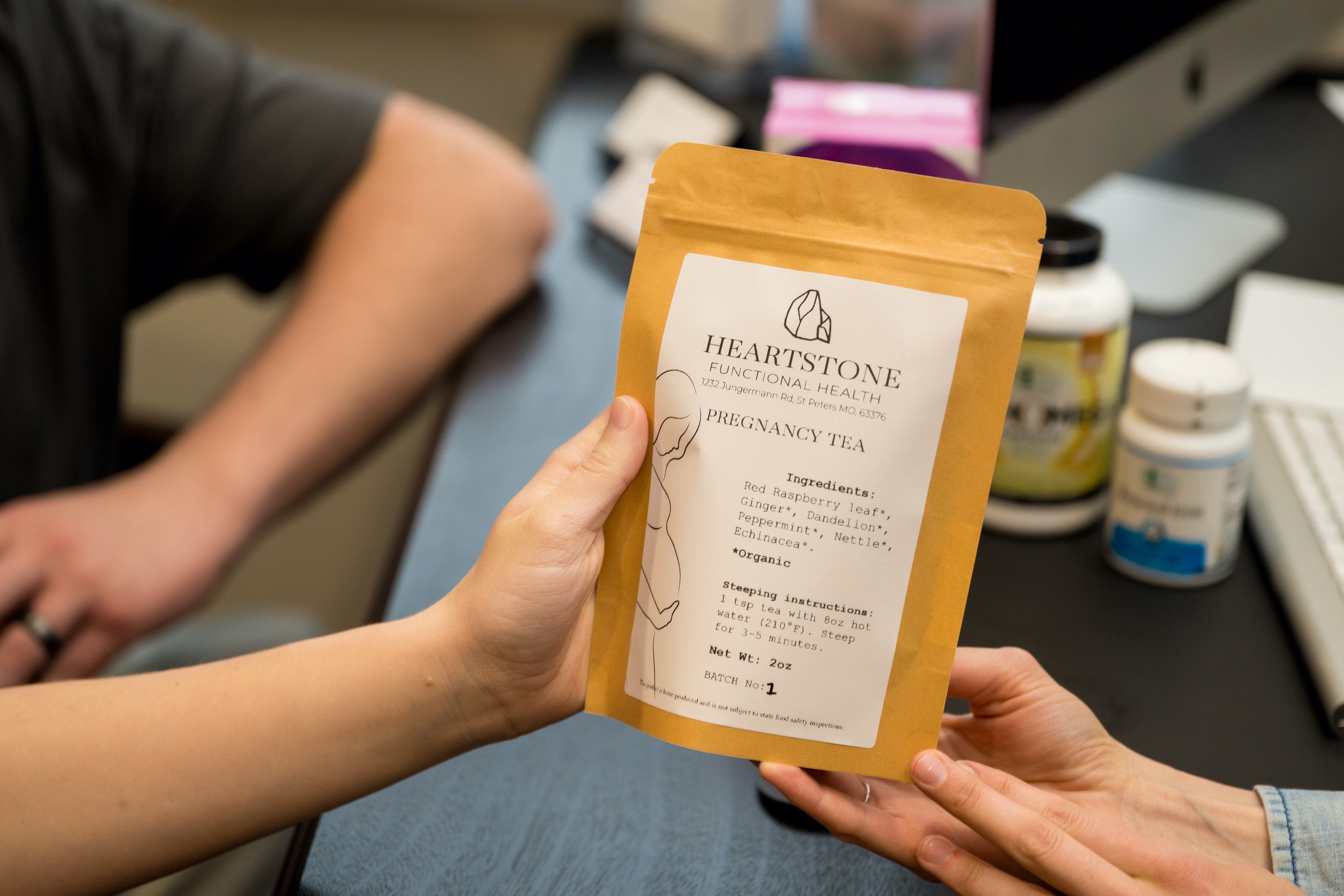
Understanding the root of a symptom is the foundation of holistic health. Here is a closer look at what is behind the most common pregnancy complaints.
Nausea and Morning Sickness
Roughly half of all pregnant people experience nausea, particularly in the first trimester. This is largely driven by rapid hormonal changes, and it can be worsened by stress, travel, and certain foods. Despite being called morning sickness, it can occur at any time of day.
Fatigue
The body is working extraordinarily hard during pregnancy, even when you are sitting still. Building a placenta, increasing blood volume, and supporting fetal development all require significant energy. Nutrient status plays a major role here, as deficiencies in key vitamins and minerals can make fatigue significantly worse.
Back Pain, Hip Pain, and Sciatica
As described above, these are largely the result of postural changes, ligament laxity, and the mechanical pressure of a growing uterus. They are among the most commonly reported pregnancy discomforts.
Heartburn and Digestive Issues
The digestive system slows down during pregnancy due to hormonal changes, which can lead to heartburn, constipation, and general gastrointestinal discomfort.
Swelling
Increased fluid retention is common, particularly in the feet and ankles. While mild swelling is normal, significant or sudden swelling can sometimes signal a more serious condition and should always be evaluated by a medical provider.
Headaches
Hormonal fluctuations, changes in blood volume, dehydration, and tension in the neck and upper back can all contribute to headaches during pregnancy.
Anemia
Because blood volume increases so dramatically during pregnancy, the body requires significantly more iron to support it. When iron levels fall short, fatigue, shortness of breath, and weakness can follow.
How the Spine and Pelvis Affect the Entire Pregnancy Experience
From a functional and structural standpoint, the alignment of your spine and pelvis is central to how comfortable your pregnancy feels. This is where chiropractic care, particularly prenatal chiropractic care, enters the conversation.
When the pelvis is misaligned, it does not just cause pain. It can create tension in the uterus and surrounding ligaments, reduce the space available for the baby to move, and place uneven strain on the muscles of the lower back and hips. A well-aligned pelvis, on the other hand, creates an environment where the body can adapt more gracefully to the changes of pregnancy.
Prenatal chiropractic care uses gentle, specific adjustments to support spinal alignment and pelvic balance. Because pregnant people cannot take most pain medications, this kind of hands-on structural support can be particularly valuable. Research has shown that chiropractic care can help reduce back pain during pregnancy, and many people also report improvements in sciatica, hip pain, round ligament pain, and even nausea, which may be related to improvements in nervous system function.
The Webster Technique: Supporting Pelvic Balance
One of the most well-known chiropractic approaches used during pregnancy is called the Webster Technique. This is a gentle, specific method of analysis and adjustment focused on the sacrum, which is the triangular bone at the base of the spine, and the surrounding muscles and ligaments.
The reason this matters is that the uterus attaches directly to the sacrum. When the sacrum is misaligned, it can create tension in the uterus itself, a condition sometimes referred to as intrauterine constraint. This tension can limit the baby's ability to move freely and settle into an optimal position for birth.
By gently restoring balance to the pelvis, the Webster Technique aims to reduce that tension and create more space for the baby. Many practitioners and expectant parents report that this approach supports greater comfort and mobility as the pregnancy progresses. Some research also suggests that consistent chiropractic care during pregnancy may be associated with shorter labor times, though individual experiences vary.
What Functional Medicine Brings to the Table

Chiropractic care addresses the structural side of pregnancy. Functional medicine addresses the biochemical side. Together, they offer a much more complete picture of what the pregnant body needs.
Functional medicine is a root-cause approach to health. Rather than simply managing symptoms, it asks why those symptoms are occurring in the first place. During pregnancy, this means looking carefully at nutrient status, hormone levels, gut health, blood sugar regulation, thyroid function, and stress load.
Nutrient Status
Pregnancy significantly increases the body's demand for many nutrients, including iron, folate, choline, iodine, magnesium, omega-3 fatty acids, vitamin D, vitamin B12, and zinc. Many people enter pregnancy with existing deficiencies that go undetected because conventional prenatal care does not always test for them comprehensively. A functional medicine approach uses detailed lab work to identify these gaps and address them in a personalized way.
Choline, for example, is critical for fetal brain development but is often underconsumed. Vitamin D is essential for immune regulation and bone health, yet deficiency is extremely common, particularly in northern climates. Magnesium supports sleep quality, muscle function, and stress response, all of which are relevant to the pregnant body.
Gut Health
The gut microbiome, which is the community of bacteria living in your digestive tract, plays a significant role in overall health, and pregnancy is no exception. Imbalances in gut bacteria have been associated with conditions like gestational diabetes and preeclampsia. Nausea and digestive discomfort during pregnancy may sometimes reflect underlying gut imbalances rather than simply being an unavoidable part of the experience.
A functional medicine perspective emphasizes supporting gut health through fiber-rich foods, prebiotics, and probiotics as a way of reducing digestive discomfort and supporting overall wellbeing during pregnancy.
Hormonal and Thyroid Health
Conventional prenatal care typically monitors thyroid hormones, but functional medicine takes a broader view of hormonal health during pregnancy. Progesterone, estrogen, insulin, and thyroid hormones all interact with one another and can influence how a pregnancy feels and progresses. If thyroid function is suboptimal, for example, fatigue, mood changes, and other symptoms can be significantly amplified.
Blood Sugar Regulation
Blood sugar stability is another area where functional medicine offers meaningful insight. Unstable blood sugar affects energy levels, mood, sleep quality, and even pain perception. Nutrient deficiencies have also been linked to an increased risk of gestational diabetes, making personalized nutritional support an important part of a holistic pregnancy approach.
Stress and Mental Health
Stress is not just an emotional experience. It has measurable effects on blood sugar, gut function, immune regulation, and sleep. During pregnancy, managing stress load is not a luxury but a genuine physiological priority. A functional medicine approach recognizes this connection and considers it as part of the overall picture of health.
The Bigger Picture: Benefits Beyond Pain Relief

One of the most important things to understand about a holistic approach to pregnancy is that the benefits extend well beyond managing individual symptoms. When the body is structurally supported and nutritionally nourished, the effects ripple outward in meaningful ways.
Better spinal alignment often means better sleep, because pain is one of the most common reasons pregnant people struggle to rest comfortably. Better sleep, in turn, supports energy levels, mood, immune function, and insulin sensitivity. Improved nervous system function, which both chiropractic care and nutritional support can influence, affects digestion, stress response, and overall physiological resilience.
Many people who pursue holistic prenatal support report feeling more comfortable, more mobile, and more confident in their body's ability to navigate pregnancy and birth. That sense of confidence and physical ease is not a small thing. It shapes the entire experience of becoming a parent.
Building a Prenatal Support Team
A prenatal chiropractor, a functional medicine practitioner, and midwives or acupuncturist trained in Traditional Chinese Medicine can all work alongside eachother to offer a more comprehensive level of support. Acupuncture, for example, has been used to address nausea, pelvic pain, anxiety, insomnia, and labor preparation, drawing on a whole-person framework that complements both chiropractic and functional medicine approaches.
The key is communication. A care team that works together, shares information, and centers your individual needs is far more effective than any single practitioner working in isolation. You can find a doula, prenatal chiropractor, functional medicine practitioner and acupuncture right here with us where we can then point you to different midwives.
Conclusion
Pregnancy is one of the most profound physical experiences the human body can undergo. The discomforts that come with it are real, and they deserve more than a dismissive "that is just part of it." A functional and holistic perspective on pregnancy recognizes that the body has an extraordinary capacity to adapt and thrive when it is given the right structural support and nutritional foundation.
Understanding why your body feels the way it does during pregnancy is the first step toward feeling genuinely supported through the process. Whether it is the alignment of your pelvis, the balance of your gut microbiome, or the adequacy of your iron stores, every piece of the puzzle matters. And when those pieces are addressed thoughtfully and comprehensively, the experience of pregnancy can look and feel very different and we can help ease those discomforts.