
Most people have never heard of fascia. Yet it is one of the most important structures in the entire human body, and when it becomes restricted or damaged, it can silently drive chronic pain, poor posture, limited movement, and even emotional stress. If you have ever dealt with persistent tension that nothing seems to fix, tight muscles that never fully release, or aches that seem to move around without a clear cause, your fascia may be at the center of it all.
Understanding this remarkable tissue is one of the most important steps you can take toward understanding your own health.
Fascia is a continuous web of connective tissue made primarily of collagen that wraps around and runs through every single structure in your body. Every muscle, bone, nerve, and organ is surrounded and supported by fascia. Think of it as your body's internal fabric, a three-dimensional web that holds everything together and gives your body its shape and structure.
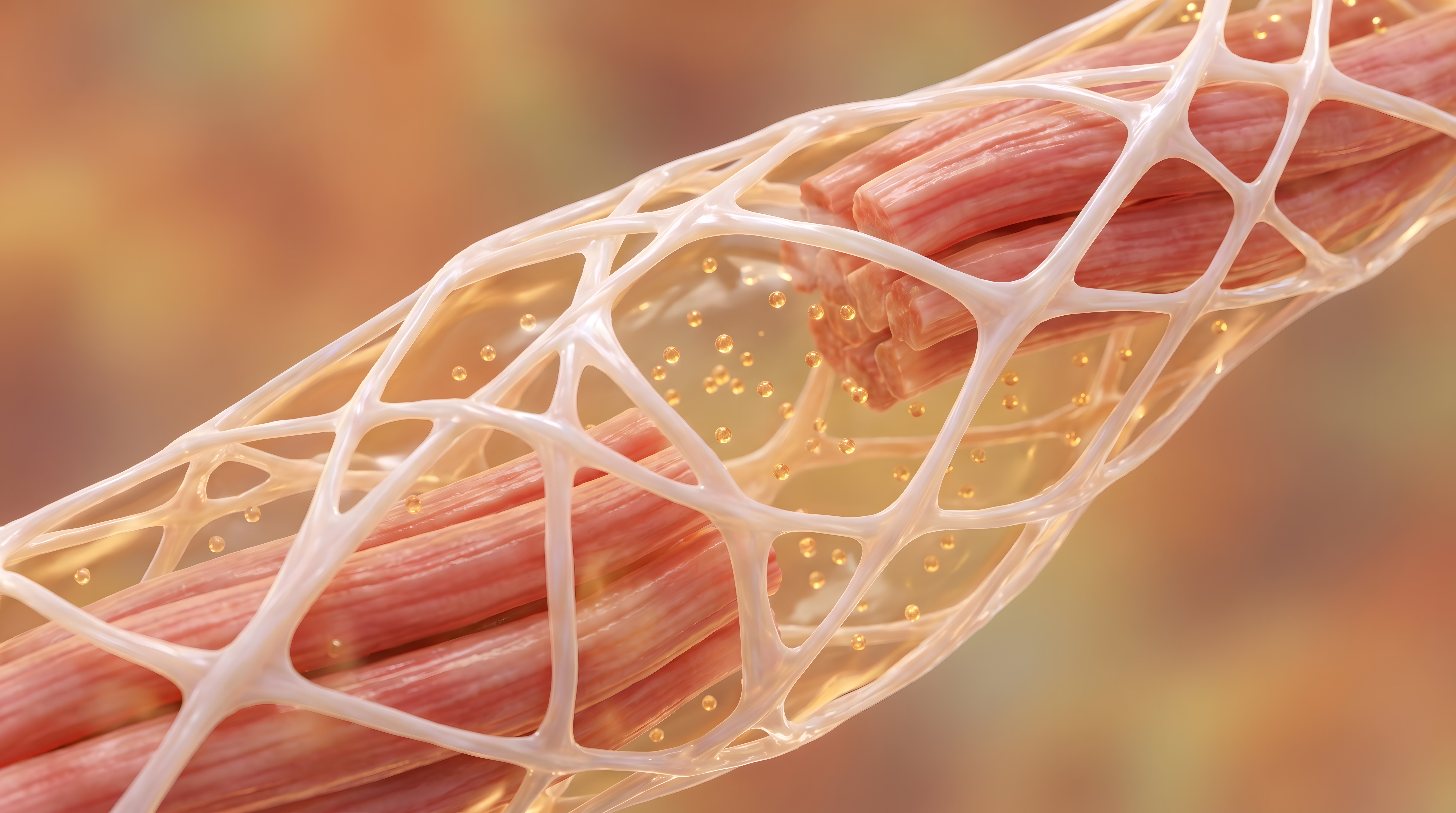
What makes fascia particularly fascinating from a functional health perspective is that it is not just one layer. The body contains multiple fascial layers. The superficial fascia sits just beneath the skin. The deep fascia wraps around individual muscles and muscle groups. The visceral fascia surrounds your internal organs. All of these layers are connected, meaning that tension in one area can and does affect areas far away from the original source.
A helpful way to picture this is to imagine a full-body sweater worn underneath your skin. If one section of that sweater bunches up or tightens, it pulls the rest of the fabric with it. That is precisely how fascial restriction works in the body.
When fascia is healthy and well-hydrated, it is flexible and allows muscles and structures to glide smoothly against one another. However, fascia is highly responsive to the demands placed on it, and it does not take much to throw it out of balance.
Sedentary behavior is one of the most common culprits. When the body remains in the same position for extended periods, fascial fibers can begin to stiffen and lose their natural pliability. Chronic stress is another significant factor. The body's stress response causes the fascia to thicken and tighten as a protective mechanism, which over time can lead to the formation of adhesions, areas where the fascial layers stick together rather than sliding freely.
Repetitive movements, poor posture, physical injuries, and even surgery can all alter the normal architecture of the fascial system. Interestingly, both too much physical activity and too little can contribute to fascial restriction. The tissue needs movement to stay healthy, but it also needs adequate recovery time to reorganize and repair.
This is where things become particularly relevant for everyday health. Fascial restriction does not just cause local discomfort. Because fascia is a body-wide system, restrictions in one area can create a cascade of dysfunction throughout the entire body.
Movement and posture are affected first. When fascia becomes tight, the body begins to compensate. It shifts weight, alters muscle activation patterns, and adjusts posture to work around the restriction. Over time, these compensations lead to inefficient movement, increased wear on joints, and the kind of postural collapse that many people associate with aging or desk work. Rounded shoulders, a forward head position, and a tilted pelvis are all common expressions of fascial restriction.
Nerve and blood vessel compression can follow. Fascia sits in close proximity to nerves and blood vessels throughout the body. When it tightens, it can press on these structures, reducing circulation and irritating nerve pathways. This can manifest as numbness, tingling, radiating pain, or a general sense of heaviness and fatigue in the affected area.
Trigger points develop within restricted fascia. These are small, hyper-sensitive nodules that form within the fascial tissue. They can refer pain to distant areas of the body, restrict joint movement, and contribute to the kind of deep, persistent aching that many people struggle to explain to their healthcare providers.
Circulation and lymphatic flow become compromised. When fascia is tight, particularly around the chest and thoracic region, it can impair the movement of blood, lymph, and other fluids through the body. This has downstream effects on immune function, recovery, and overall energy levels.
One of the most important things to understand about fascia is that it contains more sensory nerve endings than muscle tissue. This makes it one of the primary contributors to chronic pain in the body. When fascial tissue is restricted or inflamed, those nerve endings are constantly stimulated, sending pain signals to the brain even in the absence of any obvious injury.
This is why so many people with chronic pain conditions such as fibromyalgia, low back pain, and neck pain do not find relief through conventional approaches that focus exclusively on muscle tissue. The fascial layer is often the missing piece of the puzzle.
Research is now beginning to confirm what many functional and holistic practitioners have observed clinically for years. Fascial restrictions contribute not only to pain and limited range of motion but also to chronic inflammatory responses throughout the body. The science of fascia is still evolving, but systematic reviews and meta-analyses have found that techniques targeting the fascial system can reduce pain, improve flexibility, and enhance overall physical function.
Perhaps the most profound aspect of fascial health is its relationship to emotional wellbeing. Fascia has the capacity to store what practitioners describe as crystallized stress patterns. Research suggests that fascial tissue can hold cellular memory, and that chronic emotional stress can keep the fascial system locked in a state of tension that mirrors the body's fight-or-flight response.
This means that unresolved stress, trauma, or emotional strain does not just affect the mind. It can become physically embedded in the body's connective tissue, contributing to the kind of persistent physical tension that does not resolve with rest or conventional treatment alone. This is a cornerstone concept in functional and holistic medicine, and it underscores the importance of addressing the whole person rather than isolated symptoms.
You do not need to be an athlete or someone dealing with a diagnosed condition to benefit from paying attention to your fascial health. The reality is that modern life is profoundly hard on the fascial system. Long hours of sitting, chronic low-grade stress, inadequate movement, and poor hydration all quietly degrade the quality and function of this tissue over time.
The implications are significant. Persistent fatigue that does not resolve with sleep, recurring tension headaches, that stubborn tightness in your shoulders or hips, the sense that your body feels older than it should, these experiences are often rooted in fascial dysfunction.
Understanding that the body is an interconnected system, and that a restriction in one area can create symptoms in an entirely different part of the body, is a fundamental shift in perspective. It moves us away from the idea of treating isolated symptoms and toward understanding the body as a whole.
Staying well-hydrated is one of the most basic and impactful things you can do for fascial health, as fascia is composed largely of water and collagen. Consistent, gentle movement throughout the day, rather than long periods of stillness followed by intense exercise, is also important. Practices that encourage slow, sustained stretching and mindful movement support the fascial network in maintaining its natural elasticity.
Fascia is one of the most underappreciated systems in the human body. It is the connective fabric that holds everything together, facilitates movement, transmits sensory information, and even stores the physical imprint of stress and emotional experience. When it is healthy, the body moves freely, recovers efficiently, and maintains its structural integrity. When it is restricted, the effects ripple outward in ways that can be difficult to trace back to their source.
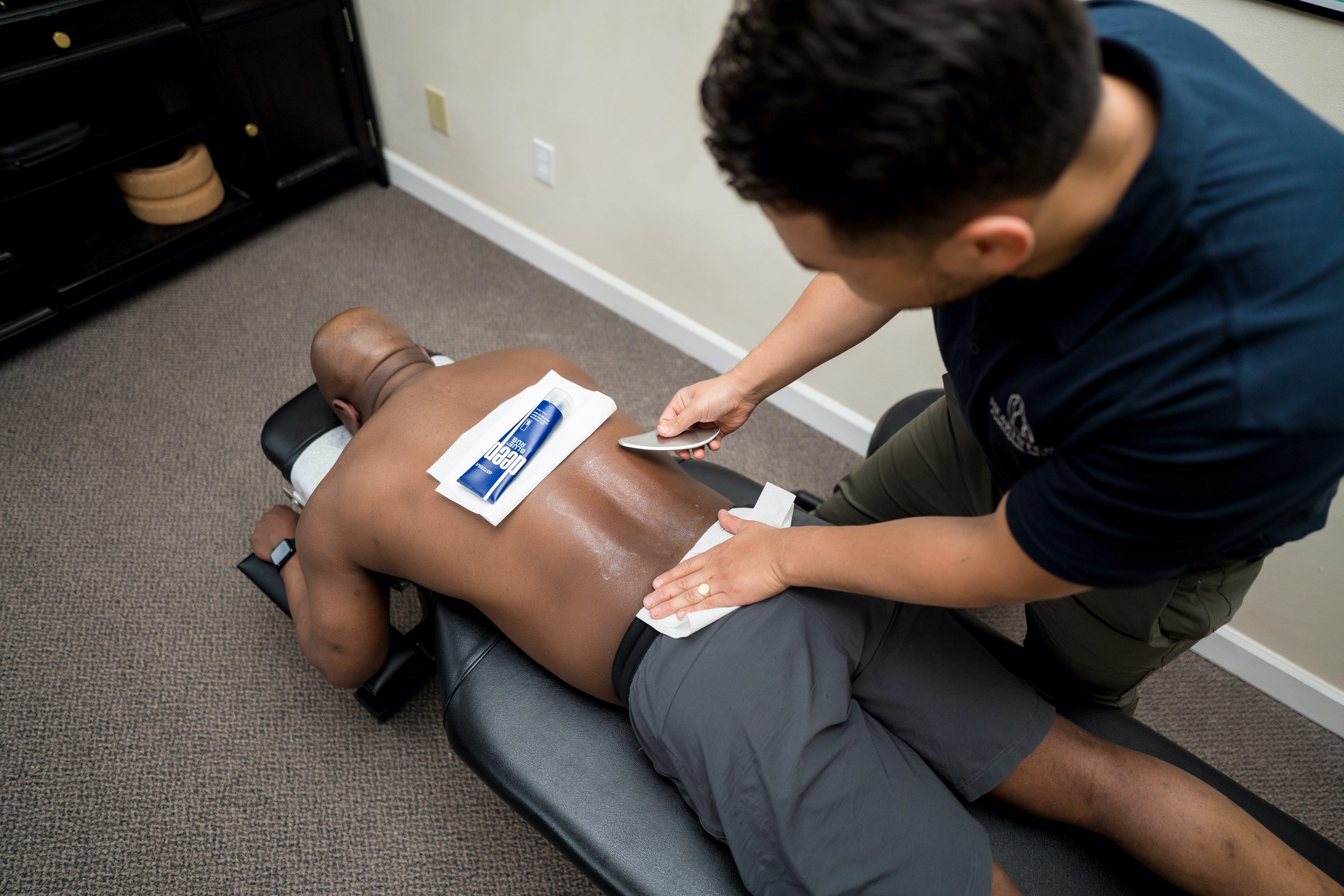
From a functional and holistic perspective, caring for the fascial system is not a niche concern reserved for athletes or chronic pain patients. It is a fundamental aspect of whole-body health that deserves far more attention than it typically receives. The more we understand about this remarkable tissue, the better equipped we are to understand why the body feels the way it does, and what it might be trying to communicate. If you are feeling chronic pain and tightness that is fascia needing to be released we can help with that.