
Migraines and the Spine
If you have ever been stopped in your tracks by a migraine, you know that it is far more than just a bad headache. The throbbing pain, the nausea, the inability to tolerate light or sound, and the hours or even days lost to suffering make migraines one of the most disruptive neurological conditions a person can experience. What most people do not realize, however, is that the origin of that pain may have less to do with the brain itself and far more to do with what is happening in the spine, particularly in the neck.
Understanding the relationship between the spine and migraine headaches opens up a broader conversation about how the body functions as a whole, and why addressing structural and neurological imbalances may play a meaningful role in how a person experiences this condition over time.
What Is a Migraine, Really?
Most people think of a migraine as simply a very painful headache, but it is actually a complex neurological event. The pain is often described as pounding or throbbing, and it tends to be accompanied by nausea, vomiting, and an intense sensitivity to light, sound, smell, and even temperature changes.
From a functional and holistic perspective, migraines are not isolated events that appear out of nowhere. They are the result of a combination of factors that include genetics, environmental triggers, changes in the brainstem, and fluctuations in serotonin, which is a chemical messenger that helps regulate pain signals throughout the nervous system.
The brainstem is the area where the brain transitions into the spinal cord, and it plays a central role in how pain is processed and communicated throughout the body. When this area is under stress or when the structures surrounding it are not functioning optimally, the nervous system can become dysregulated in ways that contribute to migraine episodes.
The Connection Between the Neck and Migraine Headaches

One of the most important and frequently overlooked aspects of migraine physiology is the role of the cervical spine, which is the portion of the spine located in the neck. Research has found that up to 75% of people who experience migraines also report symptoms like neck stiffness, muscle tension, and pain in the neck and shoulders.
This is not a coincidence. The nerves that travel through the upper cervical spine are intimately connected to the areas of the brain that process pain. When there is misalignment, restriction, or dysfunction in the joints and muscles of the neck, it can create a cascade of neurological irritation that contributes to or worsens migraine episodes.
A specific type of headache known as a cervicogenic headache originates directly from the structures of the neck, and the pain radiates upward into the head. While cervicogenic headaches are technically distinct from migraines, the two conditions frequently overlap, and many migraine sufferers have a significant cervicogenic component to their pain that goes unaddressed.
How Spinal Health Influences the Nervous System
From a holistic standpoint, the spine is not simply a structural column that holds the body upright. It is the primary protective housing for the spinal cord, which is the main communication highway between the brain and every organ, tissue, and cell in the body. When the spine is not functioning properly, the nervous system cannot communicate as efficiently as it should.
Subluxations, which are areas of the spine where joints are misaligned or restricted in their movement, can create localized nerve irritation. When these subluxations occur in the cervical spine, they are believed to contribute to a range of neurological symptoms, including headache and migraine. The body is remarkably interconnected, and tension or dysfunction in one area rarely stays contained to that location alone.
Muscle tension in the neck and upper back, poor posture, and restricted joint movement can all place stress on the nervous system in ways that make the body more susceptible to migraine episodes. Addressing these structural factors is a central focus of chiropractic and other manual therapies.
What the Research Suggests
The scientific community has been exploring the relationship between chiropractic care and migraine management for several decades, and while the evidence is still evolving, the findings are worth understanding.
A systematic review of 21 randomized controlled trials found that manual therapies, including spinal manipulation, were helpful in reducing the frequency, intensity, and duration of migraine headaches. Another review suggested that spinal manipulative therapy may produce results comparable to certain medications commonly used for migraine prevention.
A Holistic Approach to Migraine Care
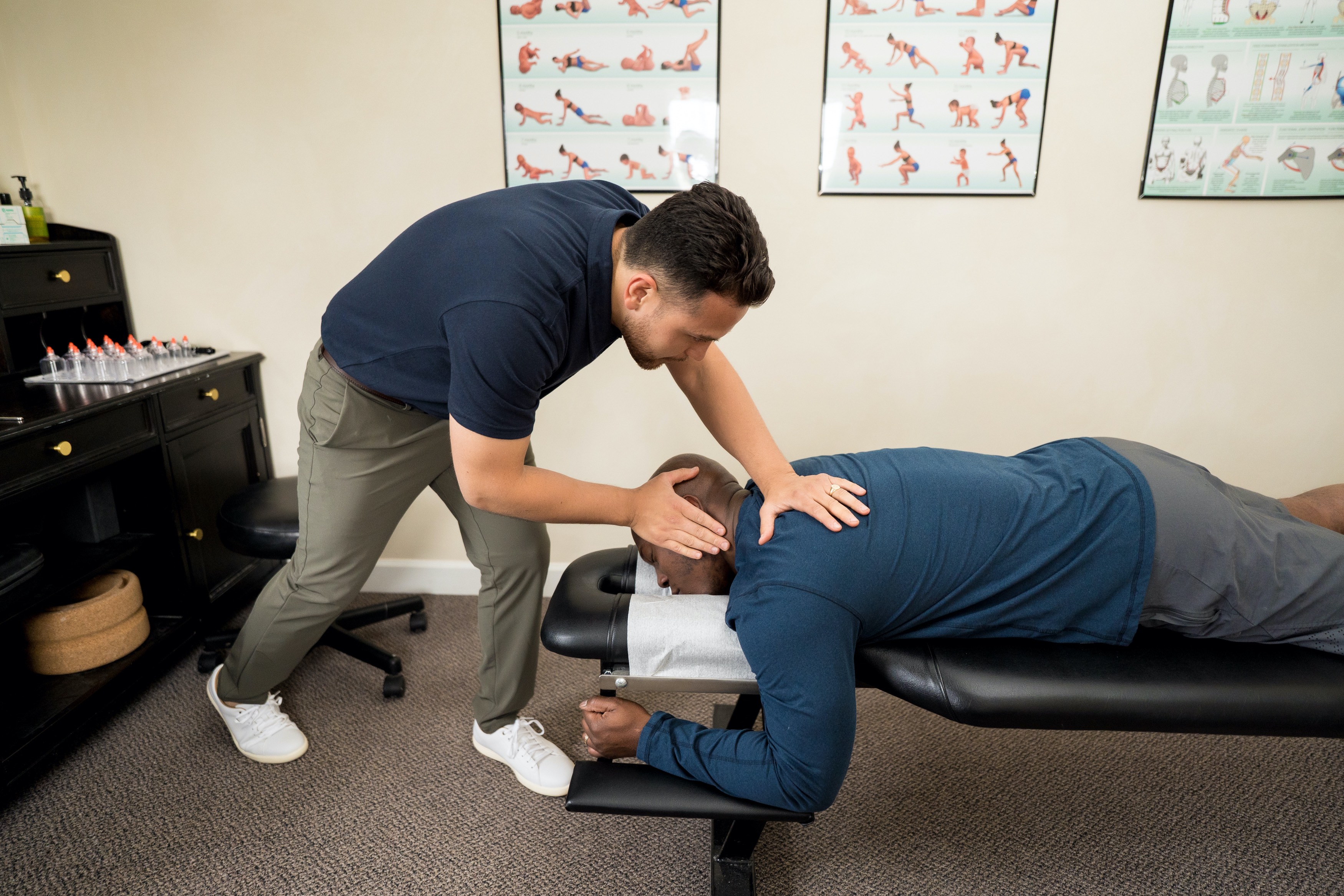
One of the core principles of functional and holistic health is that the body should be viewed as an integrated system rather than a collection of isolated parts. When it comes to migraines, this means looking beyond the head itself and examining the full picture of a person's spinal health, nervous system function, lifestyle habits, nutritional status, and stress levels.
Chiropractic care, when applied to migraine sufferers, often involves far more than spinal adjustments. A comprehensive approach may include soft tissue therapies such as myofascial release and trigger point therapy, which address areas of chronic muscle tension that can refer pain into the head. It may also incorporate ergonomic guidance, movement and exercise recommendations, stress management strategies, and nutritional counseling.
Trigger points, which are tight, hypersensitive knots within the muscle tissue, are particularly relevant to migraine sufferers. These points can develop in the neck, shoulders, and upper back as a result of poor posture, repetitive strain, or chronic stress, and they are known to refer pain into the head in patterns that closely mimic migraine symptoms.
Craniosacral therapy, which involves gentle pressure applied to the skull and spine, is another technique sometimes used in this context. It is thought to promote relaxation of the nervous system and may offer relief for some individuals.
What This Means for the Average Person
If you are someone who experiences migraines regularly, this information carries some meaningful implications for how you think about your health.
First, the presence of neck stiffness, tension, or pain alongside your migraines is worth paying attention to. These symptoms are not simply inconvenient side effects of your headaches. They may be contributing factors that deserve direct attention.
Second, the health of your spine and nervous system is not separate from the health of your head. The body is a deeply interconnected system, and structural dysfunction in one area can have far-reaching effects. Maintaining good spinal health through mindful movement, attention to posture, and stress management is relevant to neurological wellness in ways that extend well beyond back pain.
Third, lifestyle factors such as sleep quality, hydration, dietary patterns, and stress levels all influence the nervous system's sensitivity and resilience. Migraines rarely exist in a vacuum, and the broader context of a person's daily habits matters enormously.
Finally, it is important to understand that chiropractic care is not a one-size-fits-all solution. People with certain conditions, including severe osteoporosis, spinal instability, or blood clotting disorders, may not be appropriate candidates for spinal manipulation. Anyone considering chiropractic care should consult with their physician first, particularly if they have existing health conditions.
One note of caution that bears repeating: if you ever experience the worst headache of your life, one that comes on suddenly and feels unlike anything you have experienced before, seek emergency medical attention immediately. This type of headache can be a sign of a serious medical condition that requires urgent evaluation.
Considerations for Children
Migraines are not exclusive to adults. Children experience them as well, and for parents who are cautious about medication use in younger patients, understanding the broader landscape of options is valuable. Research has found that chiropractic manipulation may help reduce the frequency of migraine headaches in children, with side effects that are generally mild and short-lived. When working with children, practitioners use gentler techniques and significantly less force than they would with adults.
Conclusion
Migraines are a complex neurological condition that affects millions of people and can significantly diminish quality of life. From a functional and holistic perspective, understanding the role of the spine, the nervous system, and the broader lifestyle context is essential to developing a complete picture of why migraines occur and how the body can be supported in managing them.
The cervical spine, in particular, deserves far more attention than it typically receives in conventional migraine discussions. The structural and neurological connections between the neck and the head are well established, and for many people, dysfunction in this area is a meaningful piece of the migraine puzzle.
While no single approach works for every person, and while the research on chiropractic care and migraines continues to develop, the evidence suggests that spinal health is a legitimate and important consideration for migraine sufferers. Approaching your health from a whole-body perspective, one that includes attention to structure, nervous system function, lifestyle, and nutrition, is a foundational principle that applies to migraine management just as it does to every other aspect of wellbeing.
If migraines are a regular part of your life, it may be time to look beyond the head and consider what the rest of your body might be telling you. If you would like to ease your migraine pain and reduce the amount of migraine attacks, our doctors can help do that for you.